
Worn-Once-but-Still-Clean Clothes: The Saga
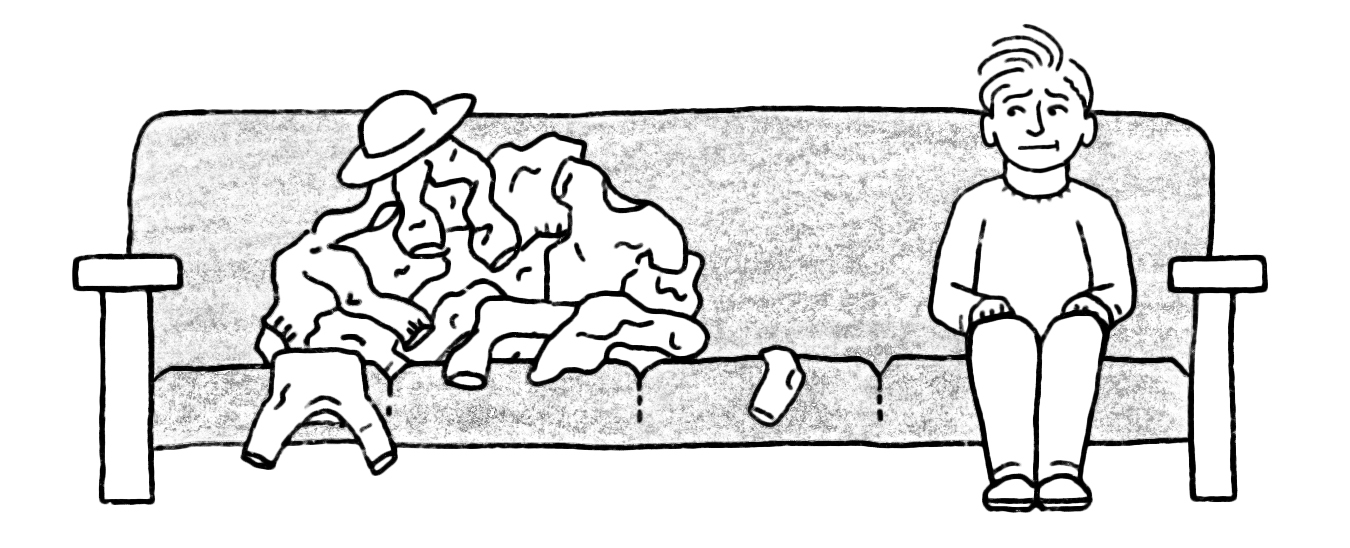
The bane of my existence, the crux of all my problems: the immortal undefeatable pile of worn-once-but-still-clean clothes. Not quite fresh enough to put back in the drawer, but not dirty enough to put in the laundry. I swear, I’m gonna wear those pants again on Friday! But where do they live until then??
Six-Ingredient Body Wash

I was about to go to the store one day to buy more body-wash, when I had a sudden moment of clarity: Why on god’s green earth would I PURCHASE body-wash? Why would anyone PURCHASE BODY-WASH?? What have I been doing all these years BUYING BODY-WASH? Absolute lunacy. I’ve seen the light.
Now I make my own body-wash. I’ve made this recipe four times, and have found it to be overall excellent. It doesn’t have exactly the same slippery texture as commercial body-wash (which, apparently, is a ploy to make it feel nice) but it leaves my skin more hydrated than any body-wash I’ve ever used.
The Ancient (underrated) Art of Fixing Holey Socks
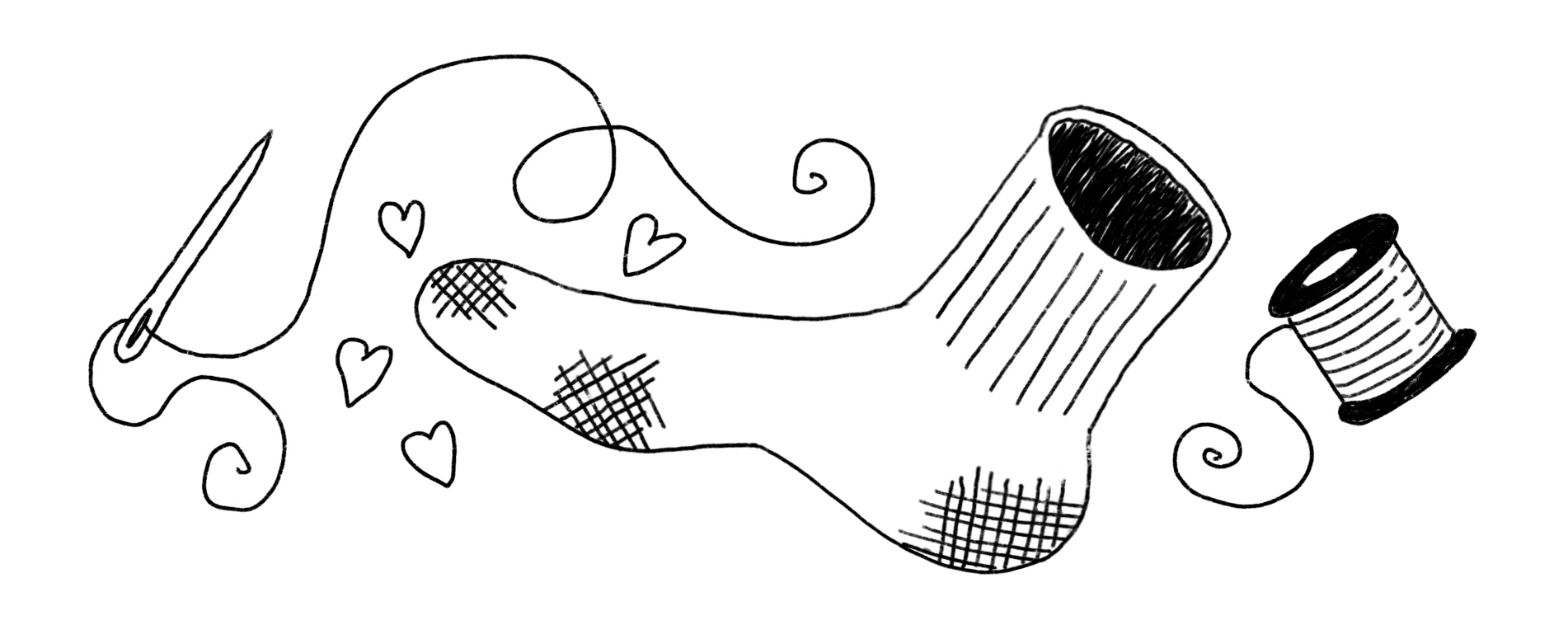
Socks! They get holes! Its terrible! I, for one, never buy expensive socks because I know they’ll eventually have to be thrown out. Until now.
I have rediscovered an ancient craft called darning, a practice where you patch a hole by using thread to weave a patch directly in the fabric. It sounds a bit daunting, but it’s actually relatively quick (half hour for a medium sized hole) and really easy!
Purgatory Zones
Purgatory Zones, AKA corners-where-junk-piles-up, are one of Pilo’s core realms of power. Behind the door, on your dresser, under that one shelf, etc etc etc. We all have them, its just a natural part of not being Marie Kondo. Yet, even us sad not-marie-kondos can learn how to tame these zones of chaos!
We just have to understand them. Why do they come into being, and how can we sooth them?
Succulents: Not Actually Easy

Adorable, lots of shapes and colors, slow-growing, and trendy as hell. Succulents are also extremely popular because they’re supposed to be easy to take care of, but lots of people who have taken the dive know that they are tricky — mainly for those who don’t live in the in their natural habitat: hot, sunny & dry.
I’m located in the US north-east. I have about a billion plants (that are mostly thriving) and two succulents that are kind of sad. Over the years I’ve had a LOT of succulents that were all kinds of sad, and usually died. Why?
Clean Your Home Without Dying
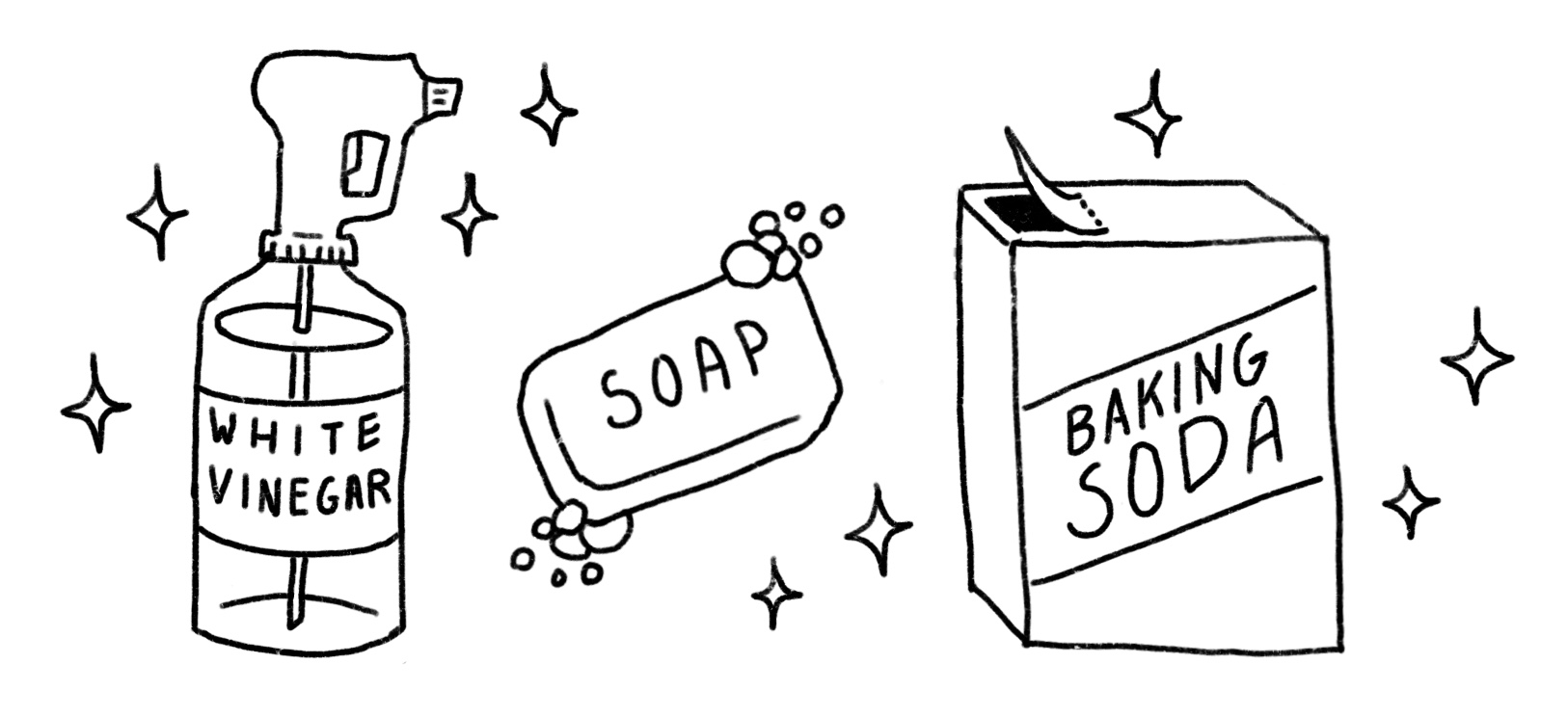
Fancy store-bought chemical cleaning products didn’t hit the shelves until the 40s. Before then, people were cleaning their homes with basic & highly effective ingredients that you probably have in your kitchen.
Why should you start using those clean ingredients instead? Fun Fact: The Poison Control Hotline was a direct response to chemical cleaning products becoming widely available. Basically, store-bought chemical cleaning products are toxic, bad for your body, and dangerous to have in the house if you have small children. Not to mention, those single-use spray bottles are expensive and wasteful! But don’t worry, there’s a better way.
The Essential Beginner Toolbox
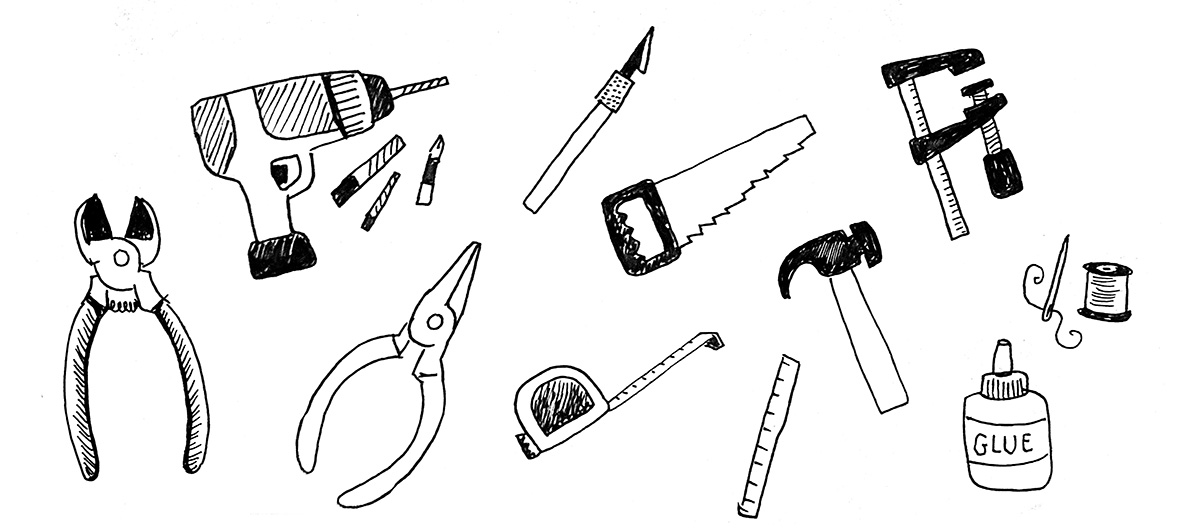
Building and repairing your own things is one of the most rewarding skills you can learn. Sometimes its as simple as fixing a crack in your favorite bowl, sometimes its as complicated as building a custom shelf for a strangely shaped corner. Either way, being able to do it yourself will make you more self-sufficient and confident, and give you a new sense of ownership over your belongings and your spaces. It all starts in one place: Your toolbox.
Making a toolbox can be overwhelming when you’re just starting out. There are a LOT of options out there, and its hard to know what you need and what you don’t. There are certainly pre-designed starter toolboxes you can buy, but they won’t necessarily have all of the essential things for the kind of thrifty DIY'ing that I find most useful. This is a breakdown of the essential tools with the most bang for your buck — and janky alternatives that can successfully replace them.